
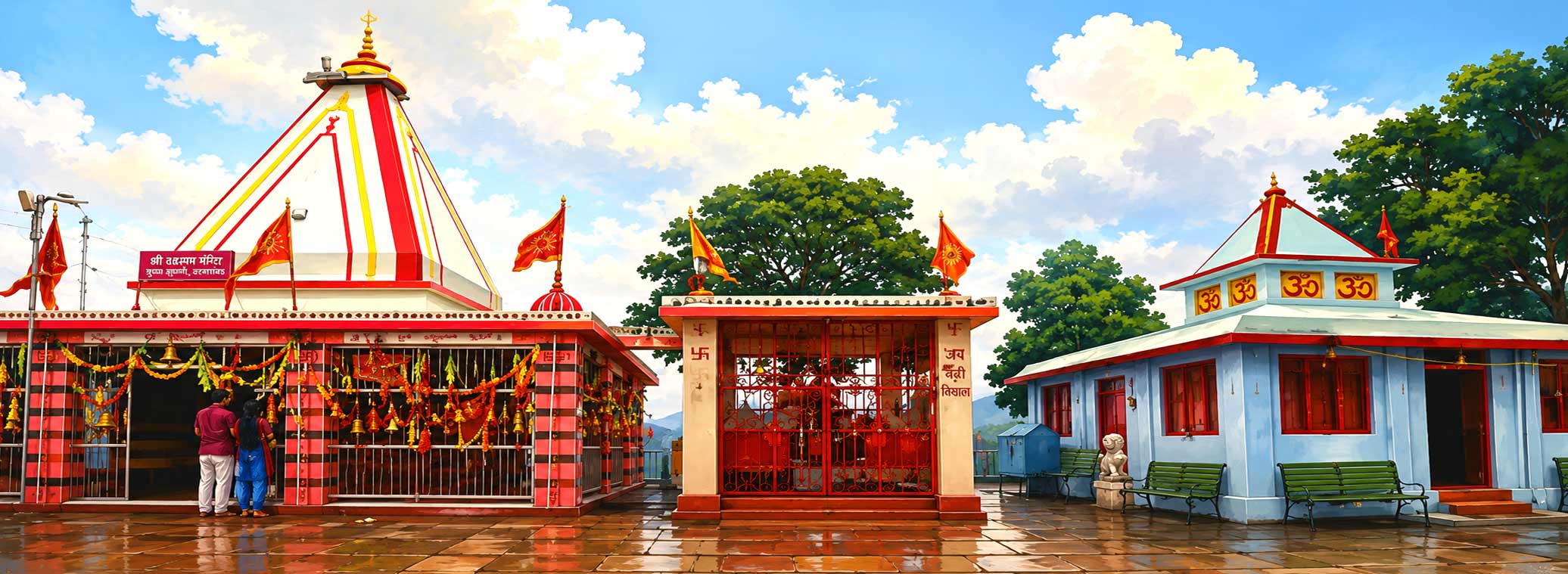
Kunjapuri Temple Rishikesh - A Sacred Journey Above the Clouds
Kunjapuri Temple Rishikesh is a most sacred Shaktipeeth of Northern India located in the peaceful laps of the Himalayas, where cool mountain-air is whispering its tales of divinity. This temple is located at an altitude of 1,676 m above the sea level; it is not only a sacred place but a spiritual, adventure, natural beauty, and cultural traditions experience.
There is a place that you have to see out at Rishikesh in case you are planning a trip to Rishikesh, Kunjapuri Temple Rishikesh must be on your list of places to visit. It is not merely about giving prayers, it is about having a strong sense of belonging to the Himalayas, seeing golden sunrises, and being engulfed in the perennial energy of the goddess.
Spiritual Value of Kunjapuri Temple
The Kunjapuri Temple is devoted to the goddess Sati, who is the divine mistress of Lord Shiva. Hindu mythology says that this temple is the location of the fall of the chest of Sati when Lord Vishnu sliced it in parts to appease Shiva in his cosmological sorrow. This gives it a very important spiritual significance as it is one of the 108 Shaktipeeths in India.
Why Pilgrims Flock Here:
For seekers of truth and peace, the spiritual significance of Kanjapuri Temple lies not just in worship but also in experiencing inner silence amidst the chants, bells, and Himalayan winds.
The Divine Atmosphere - Meditation and Peace
Many visitors come here for Kanjapuri Temple meditation and peace rather than rituals alone. At dawn, the horizon glows with shades of orange and gold, while the snowy peaks of Chaukhamba, Neelkanth, Swargarohini, and Bandarpoonch light up under the rising sun.
For spiritual travelers, the temple becomes less of a destination and more of a personal awakening.
Temple Rituals and Daily Practices
The Kanjapuri Temple rituals are simple yet profound, connecting devotees to centuries-old traditions.
The rituals reflect faith, discipline, and the continuity of an unbroken spiritual tradition.
Festivals and Cultural Celebrations
The Kunjapuri Temple festival celebrations are vibrant, showcasing the spiritual and cultural richness of Uttarakhand.
During festivals, the temple is a blend of devotion, tradition, and joy - where every chant resonates in the mountains.
Scenic Beauty Surrounding Kunjapuri
Apart from its spiritual aura, Kunjapuri Temple Rishikesh tour offers breathtaking Himalayan landscapes.
Nature here is not just scenery, it feels like an extension of the temple itself.
Adventure + Pilgrimage: A Unique Combination
What makes visit Kanjapuri Temple Rishikesh special is its mix of spirituality and adventure.
Thus, the temple unites seekers, adventurers, and nature lovers under one roof of divinity.
How to Reach Kanjapuri Temple
Reaching Kanjapuri Temple Rishikesh is itself an experience.
Why Choose Riverraftinginrishikesh for Your Temple Tour?
At Riverraftinginrishikesh, we believe a pilgrimage should be comfortable, guided, and soulful. Our Kanjapuri Temple Rishikesh tour packages combine spirituality with local culture and adventure.
What We Offer:
Whether you are a pilgrim seeking blessings, a yogi in search of stillness, or a traveler chasing sunrises, our curated experiences make your journey unforgettable.
Quick Highlights of Kanjapuri Temple
FAQs - Kanjapuri Temple
Q1. What is the best time to visit Kanjapuri Temple Rishikesh?
The best time is October to March, when skies are clear and weather is pleasant. Sunrise and sunset hours offer the most stunning views.
Q2. How difficult is the Kanjapuri Temple trek?
The trek is considered moderate and takes about 2-3 hours depending on the route. Beginners with average fitness can complete it comfortably.
Q3. Is Kanjapuri Temple safe for solo travelers and women?
Yes, the temple is safe and often visited by solo trekkers and women travelers. Morning treks with groups or guides are recommended for safety.
Q4. Are there any special rituals at Kanjapuri Temple?
Yes, daily aarti and offerings are performed. During Navratri and Dussehra, grand rituals and cultural programs attract thousands of devotees.
Q5. Can I combine rafting in Rishikesh with a temple visit?
Absolutely! Many visitors enjoy rafting on the Ganga River in Rishikesh along with a spiritual trip to Kanjapuri Temple. Our packages cover both experiences.
Q6. What should I carry while visiting the temple?
Carry water, comfortable trekking shoes, a light jacket (mornings are chilly), and offerings like flowers or coconuts if you plan to worship.
Q7. Is photography allowed inside the temple?
Photography of the temple surroundings and landscapes is allowed, but inside the sanctum, one should respect temple norms and avoid photography during rituals.
Conclusion -Kanjapuri Temple
A visit to Kanjapuri Temple Rishikesh is not just a temple darshan; it is a soulful blend of pilgrimage, meditation, rituals, adventure, and Himalayan beauty. From spiritual significance to cultural celebrations, from sunrise meditations to trekking trails, the temple offers something for every traveler.
At Riverraftinginrishikesh, we invite you to embark on this journey where divinity meets nature, and where every step uphill is a step closer to peace.

Copyright © 2020-2025 RiverRaftingInRishikesh.com | Website Developed & Managed by Wits Digital